7 Powerful Online Teaching Strategies Every Teacher Should Use
For Teachers

7 Powerful Online Teaching Strategies Every Teacher Should Use


Feb 27, 2026

Online Teaching Strategies: A Practical Guide for Teachers

Online Teaching Strategies That Actually Improve Virtual Learning

Updated: February 27, 2026

Last updated: February 27, 2026

Teacher applying online teaching strategies in a virtual classroom

Looking to improve your virtual classroom? These proven online teaching strategies help teachers increase engagement, improve student focus, and deliver better learning outcomes.

Book a Free Teaching Strategy Consultation

TL;DR – Quick Summary

  • Interactive tools increase student engagement.
  • Clear structure improves retention.
  • Consistent feedback strengthens performance.
  • Strong communication builds trust.
  • Technology must support—not distract from—learning.

Table of Contents

Introduction

Online education continues to grow worldwide. According to data from the National Center for Education Statistics, digital learning adoption has significantly increased in the past five years.

However, success in virtual learning depends heavily on applying the right online teaching strategies. Without structure and engagement, students quickly lose focus.

This guide explains what works, why it works, and how you can implement it today.

Why Online Teaching Strategies Matter

Teaching online is not the same as teaching in person. Virtual classrooms require:

  • Clear digital communication
  • Interactive lesson design
  • Structured pacing
  • Reliable assessment tools

Research from U.S. Department of Education shows structured online instruction improves retention and performance.

Explore Teacher Support Services

Effective Online Teaching Strategies

1. Interactive Learning Tools

Interactive online teaching tools used in virtual classrooms

Use quizzes, breakout rooms, and collaborative documents to increase participation.

2. Clear Lesson Structure

Outline objectives at the start. Break lessons into segments. End with recap and Q&A.

3. Active Participation

Encourage students to speak, type, and collaborate.

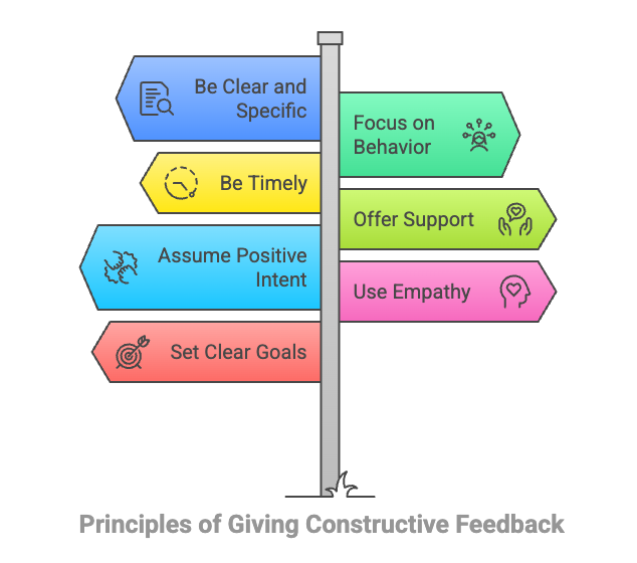
4. Personalized Feedback

Provide timely, constructive feedback to build confidence.

5. Visual & Multimedia Support

Virtual classroom using visual aids and slides

Use slides, infographics, and short video clips to improve clarity.

How to Choose the Right Online Teaching Strategies

  1. Understand your students’ age and learning style.
  2. Select tools that enhance—not complicate—lessons.
  3. Test and adjust based on engagement metrics.

Teachers who adapt continuously see better long-term outcomes.

Benefits of Effective Online Teaching Strategies

  • Higher student engagement
  • Improved academic results
  • Better classroom management
  • Increased teacher confidence
  • Scalable teaching models

Costs & Time Investment

Most online teaching strategies require minimal financial investment.

  • Planning time: 1–2 extra hours per week initially
  • Tool subscriptions: Often free or low-cost
  • Long-term return: Higher retention and satisfaction

Case Study: Improved Engagement by 35%

A Tutes4u instructor implemented structured online teaching strategies including breakout sessions and weekly feedback forms.

Within 3 months:

  • Student participation increased by 35%
  • Homework completion rose by 22%
  • Drop-off rate decreased significantly

About the Author

Tutes4u Education Team consists of certified online educators with over 10 years of combined virtual teaching experience.

Learn more on our About Us page.

Trust & Testimonials

⭐ 4.9/5 Google Rating

"The online teaching strategies transformed my virtual classes.” – Sarah M.

"My students are more engaged than ever.” – Daniel R.

FAQs

What are the most effective online teaching strategies?

Interactive tools, structured lessons, and timely feedback are the most effective.

How do I improve student engagement online?

Use breakout rooms, polls, and direct participation prompts.

Are online teaching strategies different from in-person teaching?

Yes, virtual learning requires stronger digital communication and structure.

Conclusion

Applying the right online teaching strategies can dramatically improve virtual classroom results. With proper structure, engagement tools, and consistent communication, teachers can deliver meaningful and measurable outcomes.

Start Improving Your Online Teaching Today

© 2026 Tutes4u. All rights reserved.